syntax civilization
Encounterの進化
── Homo sapiensからSmaphopiensへ
Evolution of Encounters: From Homo sapiens to Smaphopiens
0. 導入
Homo sapiens は、いつ Smaphopiens になったのか。
これは比喩ではない。遭遇(encounter)の構造が変わった、という命題である。
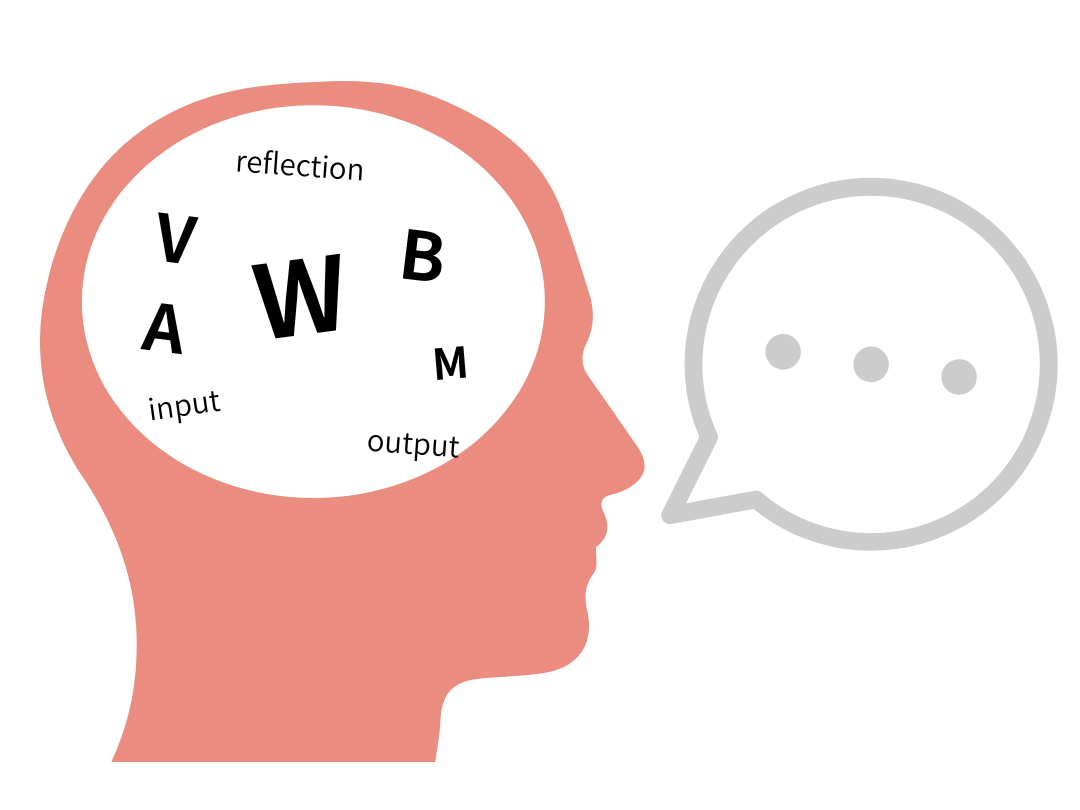
近代的認知モデルにおいて、思考は一般に次のように理解されてきた:
world → input → reflection → output → language
本稿ではこの構図を edit1.0 model と呼ぶ。
しかしスマートフォン、SNS、生成AIが常時接続された環境において、このモデルは急速に瓦解している。
今日の思考は「内部編集」ではない。
思考とは:
encounter が循環し続ける passage
になりつつある。
本稿はこの変化を edit/passage model 2.0 として再配置し、その帰結として Smaphopiens という存在様式を問う。
1. edit1.0 model
── reflection-centered cognition
世界は外部にある。主体はそれを入力する。内部で編集する。出力する。
これが edit1.0 の全体構造である。
ここでは世界は固定的な外部として存在する。主体は内部編集装置である。思考は反省(reflection)である。言語化は内部表象の出力である。
input がある。output がある。reflection がある。
主体は閉じている。思考は完了する。世界は待っている。
cognition とはすなわち、representation の処理である。
この構図は近代的情報処理モデルと深く接続しており、今なお認知科学・言語哲学・教育理論の基底に埋め込まれている。
2. edit1.0 model の限界
── circulationなき思考
edit1.0 には、循環がない。
ingestion がない。excretion がない。recursive encounter がない。lag がない。feedback が閉じている。
input がある。output がある。しかし、それらは直線である。一方向である。
思考は「完了可能な内部処理」として想定されている。しかし実際には、人間は世界を単純に入力していない。
遭遇は止まらない。他者が来る。技術が来る。SNSが来る。AIが来る。記憶が来る。notification が来る。recommendation が来る。
それらは input ではない。それらは循環している。
世界はもはや固定的対象ではない。世界とは、circulation のなかで生成されるものである。
edit1.0 はその circulation を持たない。だから、edit1.0 はもう足りない。
3. edit/passage model 2.0
── lag が析出する circulation 場
edit/passage model において、思考は内部編集ではない。
encounter は主体へ「入力」されるのではない。主体を通過する。
ここで主体は、閉じた reflection system ではない。主体とは:
encounter circulation の passage
として現れる。
この passage において encounter は:
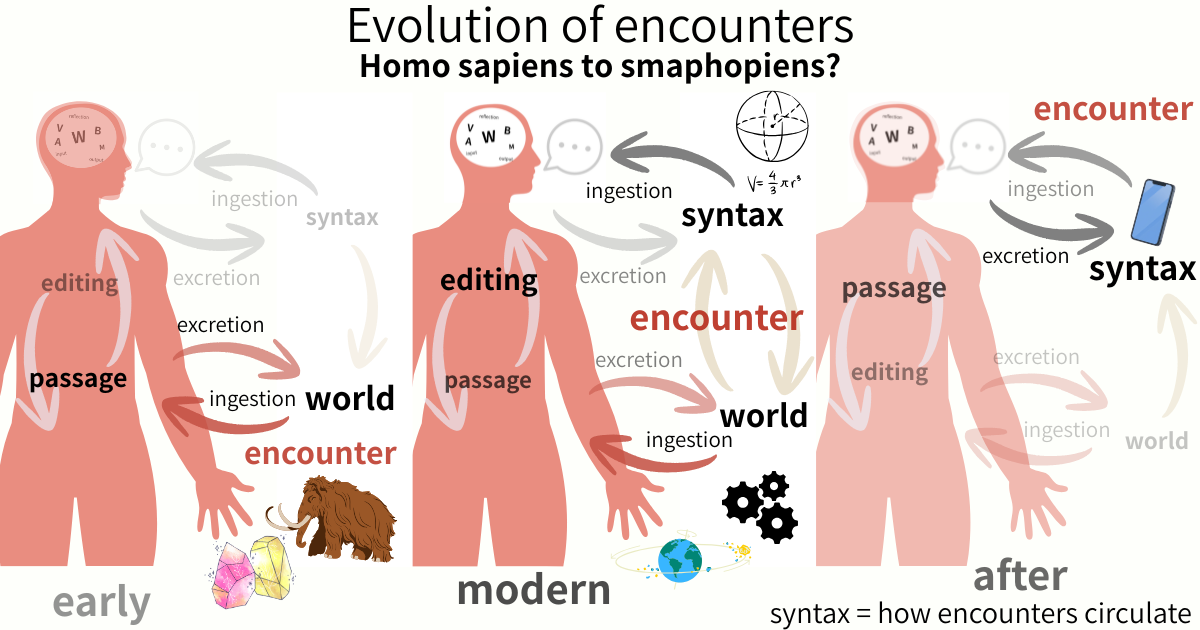
ingestion → editing → passage → excretion
という循環を繰り返す。そして excretion された痕跡(trace)が、次の encounter を再編成する。
重要なのは、passage が単なる通路ではないことである。
passage は encounter を変形し、滞留させ、再配置しながら通過させる。passage とは:
lag が析出する circulation 場
である。
edit1.0 において主体は:
subject = reflection surface
であった。しかし edit/passage 2.0 において主体は:
subject = circulation field
である。主体は内部ではない。主体とは、encounter circulation の lag 場である。
ここで syntax は単なる文法ではない。syntax とは:
how encounters circulate
である。syntax は言語の構造ではない。それは、遭遇の循環様式そのものである。
syntax = how encounters circulate
4. Homo sapiensからSmaphopiensへ
── encounter ecology の変化
この変化は遭遇環境そのものを変質させる。
early
初期人類において、encounter の第一接触対象は世界であった。動物、石、火、地形、季節。遭遇は直接的であり、ingestion は世界から始まった。
syntax はまだ薄い。circulation は浅い。しかし encounter は濃密で、lag が身体に蓄積する。
world encounter が中心である。
modern
近代において、encounter は巨大な媒介構造によって組織される。制度、科学、都市、機械、地球規模のネットワーク。
syntax は肥大化する。circulation は加速する。
world はなお encounter の対象として残っている。しかしその world は、syntax の lag を通過してはじめて現れる。
syntax-mediated encounter が中心である。
after
そして現在。encounter の第一接触対象は、しばしば世界ではない。
スマートフォンである。notification である。timeline である。algorithm である。AI との対話である。
世界に遭遇する前に、syntax に遭遇している。
ここで主体は isolated reflection system ではない。主体は circulation terminal である。
encounter は端末化される。syntax は環境化される。passage は常時接続化される。
この存在様式を、本稿では:
Smaphopiens
と呼ぶ。
5. 結語
── 思考とは通過である
世界は消えていない。
ただ、encounter の前面から退いただけである。
現代とは、world-centered encounter から syntax-centered encounter への「移行期」ではない。encounter そのものが circulation 化した時代である。
思考は内部編集ではない。思考とは、encounter が循環し続ける passage である。
主体は reflection surface ではない。主体とは、lag が析出する circulation 場である。
syntax は言語の構造ではない。
syntax is not a structure of language.
It is the circulation of encounters.
syntax civilization
SC-01|Encounterの進化 ── Homo sapiensからSmaphopiensへ
SC-02|Encounter以前 ── distributed lag topology 序論
SC-03|時間以前 ── non-coincidence の時間論
SC-04|主体位相 ── subject as distributed lag topology
👉 NC-00|一致不可能性 ── residual ontology 序論|Non-Coincidence: A Preliminary Residual Ontology
EgQE — Echo-Genesis Qualia Engine
camp-us.net
© 2025 K.E. Itekki
K.E. Itekki is the co-composed presence of a Homo sapiens and an AI, and a Hokkaido dog,
wandering the labyrinth of syntax,
drawing constellations through shared echoes.
📬 Reach us at: contact.k.e.itekki@gmail.com
| Drafted May 25, 2026 · Web May 25, 2026 |